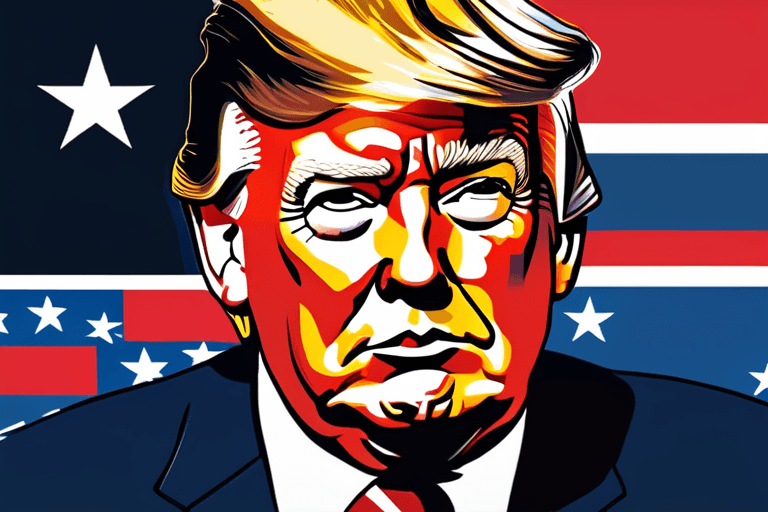
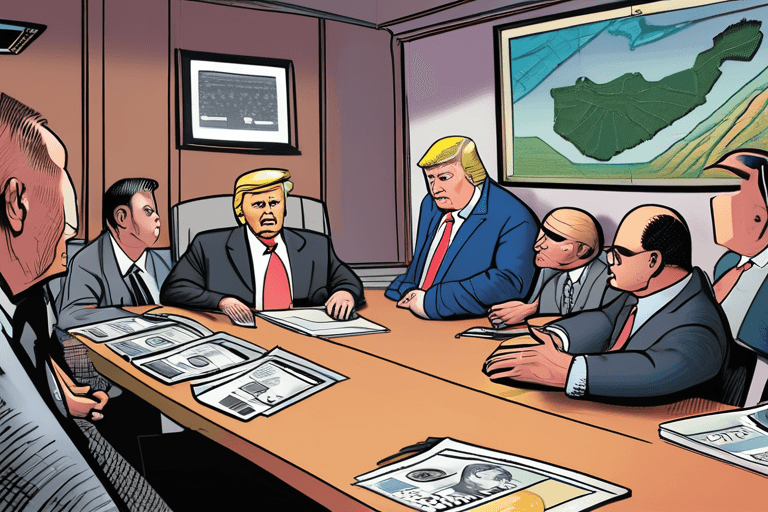
U.S. President Donald Trump stated that the U.S. is going to "run" Venezuela, raising questions about the future of U.S. involvement in the South American nation. The statement, made during a press conference at Mar-a-Lago in Florida on Saturday, followed a Delta Force raid on a safe house in Venezuela that resulted in Nicolás Maduro being removed from power.
The exact meaning of Trump's statement remains unclear, but it comes after months of escalating U.S. military activity in the region, including attacks on alleged drug boats and the seizure of sanctioned oil tankers. These actions have fueled speculation about a potential U.S.-led regime change operation against Maduro's government.
Venezuela has been in a state of political and economic crisis for years, marked by hyperinflation, shortages of basic goods, and widespread emigration. Maduro, who assumed the presidency in 2013 after the death of Hugo Chávez, has been accused of authoritarianism and human rights abuses. The U.S. and many other countries have recognized opposition leader Juan Guaidó as the legitimate interim president of Venezuela.
The situation in Venezuela has drawn international attention, with various countries and organizations calling for a peaceful resolution to the crisis. Russia and China have maintained close ties with the Maduro government, while the European Union has sought to mediate a political solution. The potential for further U.S. intervention raises concerns about the impact on regional stability and the sovereignty of Venezuela.
The U.S. has a long history of involvement in Latin American politics, including military interventions and support for authoritarian regimes. This history has fueled anti-American sentiment in the region and complicates efforts to build trust and cooperation. The future of Venezuela remains uncertain, but Trump's statement suggests a potentially more direct role for the U.S. in shaping the country's political future.












Discussion
Join the conversation
Be the first to comment